
+91 9610022055

sales@anuvegsolis.in

Network Integrations

Network integration involves the process of combining different networks, systems, applications, and components to work together seamlessly, allowing efficient data exchange and communication. This integration can occur within an organization’s internal network infrastructure or between external systems and services. The goal is to enhance functionality, streamline operations, and improve overall efficiency. Here are some key aspects and considerations related to network integrations:
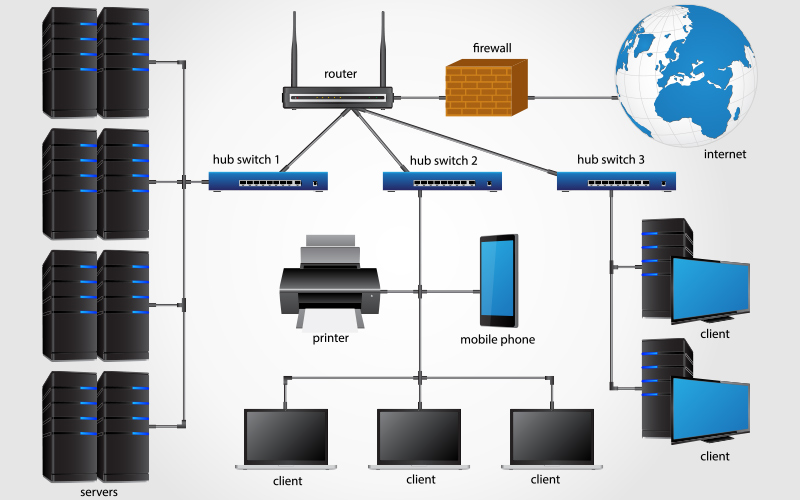
NetworkIntegrations

Types of Network Integrations

  • Vertical Integration: Integrating systems that serve different levels of an organization’s hierarchy, such as connecting operational systems with management systems.
  • Horizontal Integration: Integrating systems or components that serve the same level or function within an organization, allowing them to share data and resources.
  • System-to-System Integration: Connecting different software applications or systems to enable data sharing and automation of processes.
  • Cloud Integration: Integrating on-premises systems with cloud-based services or applications to create hybrid environments.
  • Business-to-Business (B2B) Integration: Integrating systems between different organizations to facilitate seamless business processes, like supply chain management.
  • Benefits of Network Integrations:
  • Efficiency: Integrating systems eliminates manual data entry and redundant processes, saving time and reducing errors.
  • Improved Decision-Making: Access to integrated data allows for better analysis and informed decision-making.
  • Enhanced Customer Experience: Integrations can lead to faster response times, better customer data management, and personalized experiences.
  • Agility: Integrated systems can adapt more easily to changing business requirements and new technologies.
  • Cost Savings: Streamlining processes through integrations can lead to reduced operational costs.
  • Challenges and Considerations:
  • Compatibility: Ensuring that systems and components can communicate effectively is crucial. Different protocols, data formats, and technologies might need to be addressed.
  • Security: Integrations should not compromise the security of the connected systems. Proper authentication, authorization, and data encryption are essential.
  • Data Quality: Poor data quality in one system can lead to inaccurate information being propagated across integrated systems.
  • Scalability: The integrated solution should be able to handle increased data and user loads as the organization grows.
  • Maintenance and Support: Regular updates, monitoring, and maintenance are required to ensure that integrations remain functional and secure.
  • Vendor Relationships: When integrating with third-party systems or services, strong vendor relationships and agreements are important to ensure ongoing support and updates.
  • Integration Technologies:
  • APIs (Application Programming Interfaces): APIs allow applications to communicate and interact with each other by defining a set of rules and protocols.
  • Middleware: Middleware acts as an intermediary layer that facilitates communication and data exchange between different applications.
  • Enterprise Service Bus (ESB): An ESB is a software architecture that allows different applications to communicate through a central hub.
  • Web Services: Web services use standardized protocols like SOAP (Simple Object Access Protocol) and REST (Representational State Transfer) to enable communication between applications over the internet.
  • Planning and Implementation:
  • Needs Assessment: Identify the systems, processes, and data that need to be integrated and define the integration goals.
  • Technology Selection: Choose the appropriate integration approach and technologies based on your organization’s requirements.
  • Testing: Thoroughly test the integration to ensure data accuracy, proper functionality, and security.
  • Monitoring and Maintenance: Regularly monitor the integrated systems for performance, security, and updates

All Content is protect by the Owner.

Open chat
Hello 👋
Can we help you?